


Techniques for preserving pulpal vitality
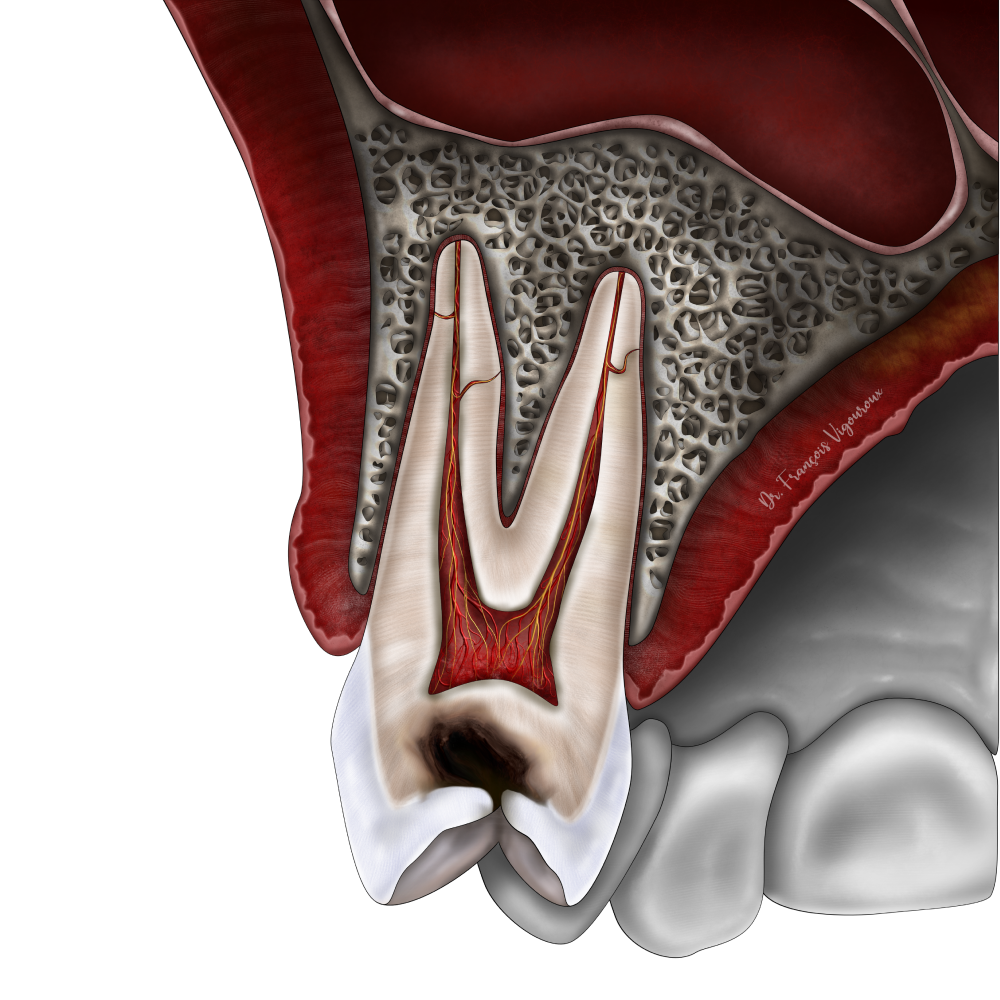
When a tooth has deep decay, the pulp may become reversibly inflamed (reversible pulpitis). In such cases, it is possible to preserve the pulp.
Depending on the depth of the cavity and how close it is to the pulp, there are several options:
If the cavity is large and close to the pulp, the endodontist will perform an indirect pulp capping or a direct pulp capping using a biomaterial. The choice of procedure will depend on the proximity to the pulp and the symptoms described by the patient.
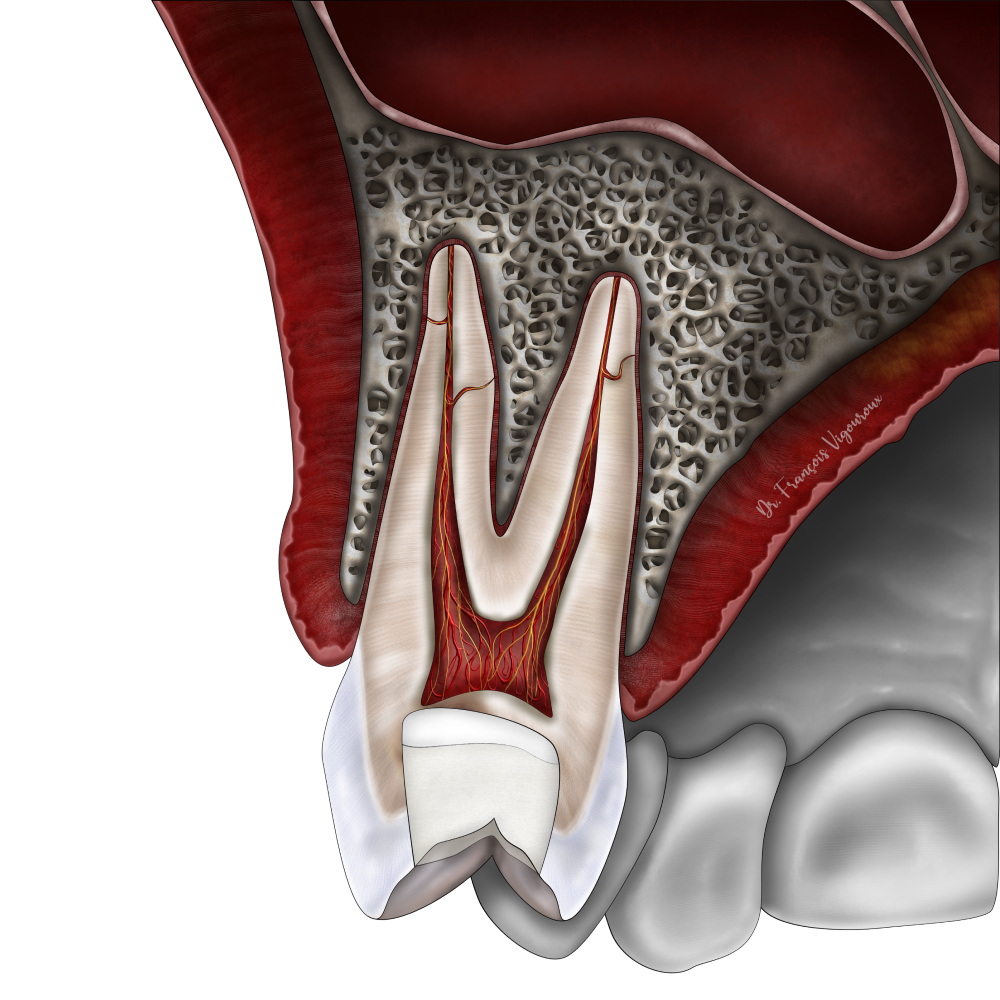
Indirect pulp capping is a procedure in which a thin layer of dentin is left in place near the dental pulp to prevent it from being exposed. This method is used to preserve pulp vitality while halting the progression of decay. A bioactive material is then placed on top of this dentin to promote pulp healing and the formation of new dentin.
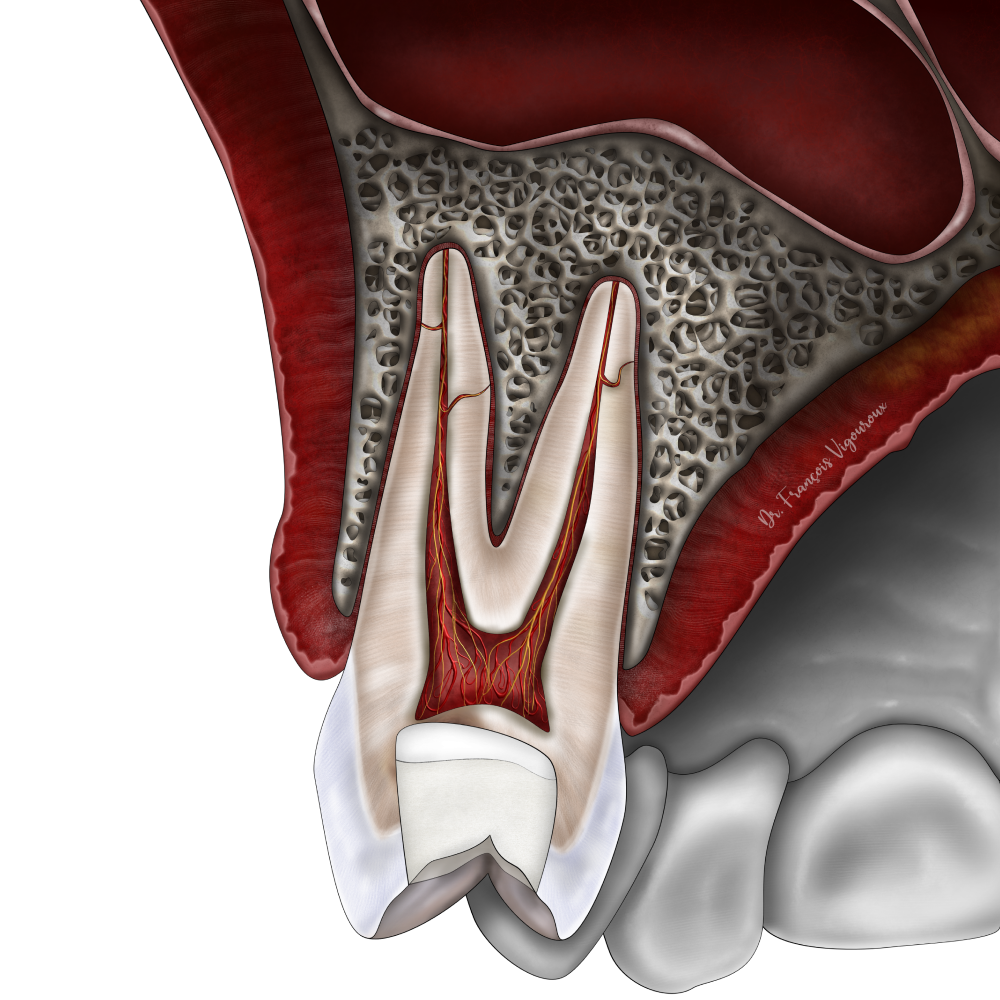
Direct pulp capping is a procedure indicated when there is minor pulp exposure, typically caused by deep caries. After removing the carious lesion, a bioactive material is applied directly to the exposed pulp to promote healing, reduce inflammation, and stimulate the formation of reparative dentin, while preserving the vitality of the tooth.
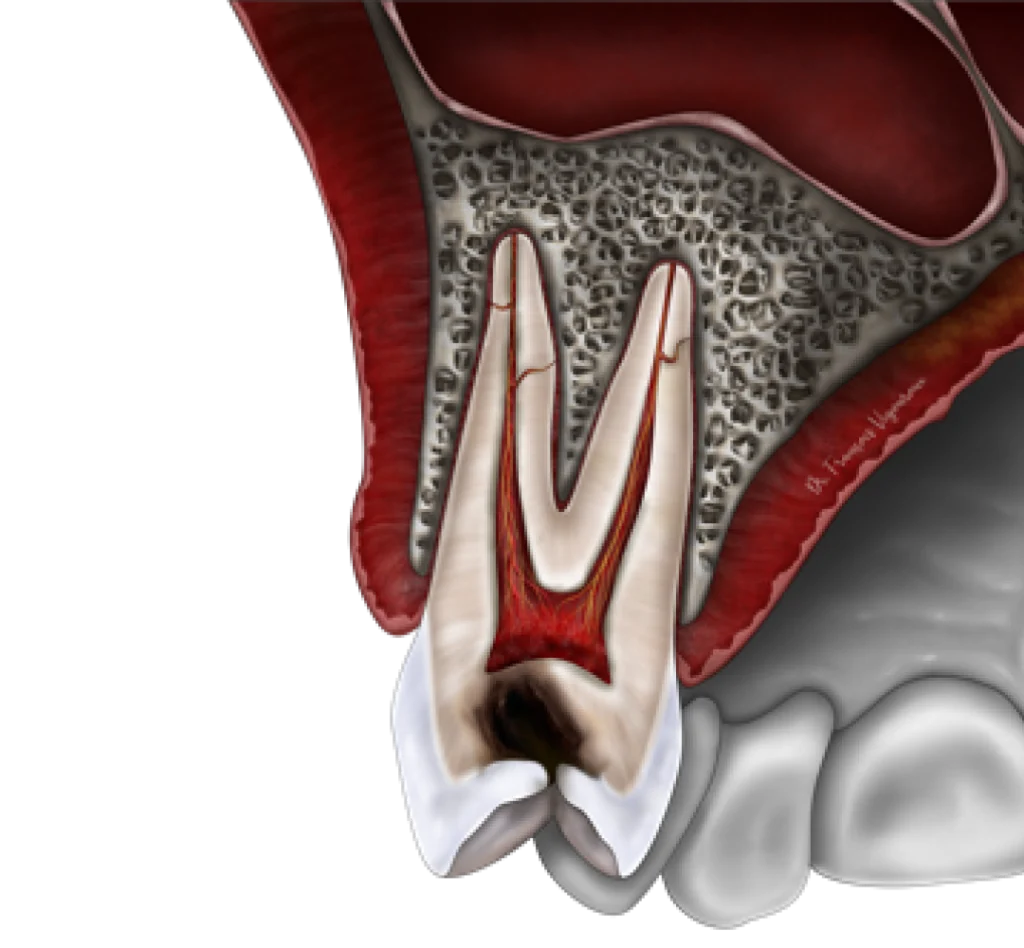
If the pulp is unaffected or only slightly affected but the carious lesion is very deep, the endodontist will place a biocompatible material in contact with the remaining healthy pulp (partial pulpotomy or chamber pulpotomy) and restore the tooth so that it is sealed.
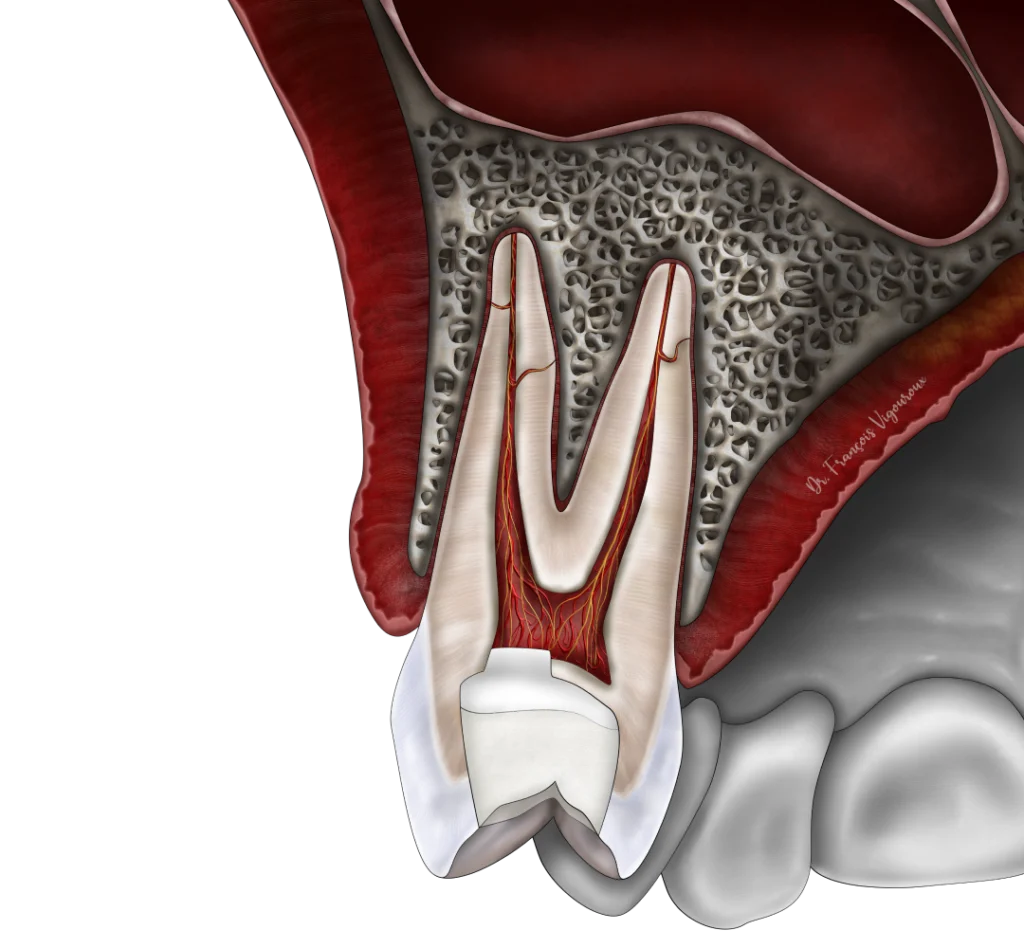
A partial pulpotomy is a procedure in which the endodontist removes only a small portion of the infected or damaged dental pulp—usually the area closest to the cavity—to preserve the rest of the healthy pulp and maintain the tooth’s vitality.
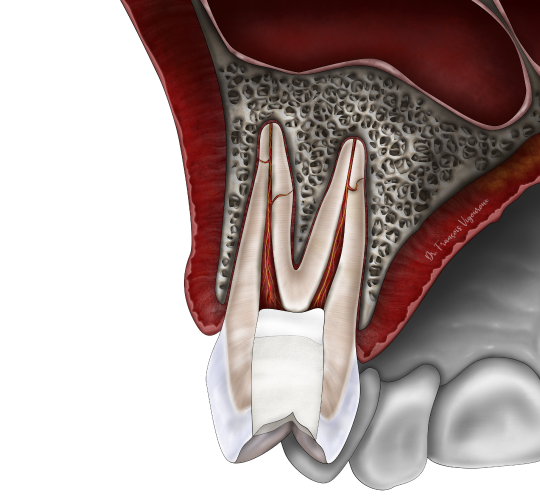
A pulpotomy is a procedure in which the endodontist removes all of the dental pulp located in the pulp chamber (the main portion of the pulp located within the crown of the tooth). This allows for the treatment of a damaged tooth while preserving the tooth’s vitality.
Our other areas of expertise are:
Patient care pathway
Patient care pathway
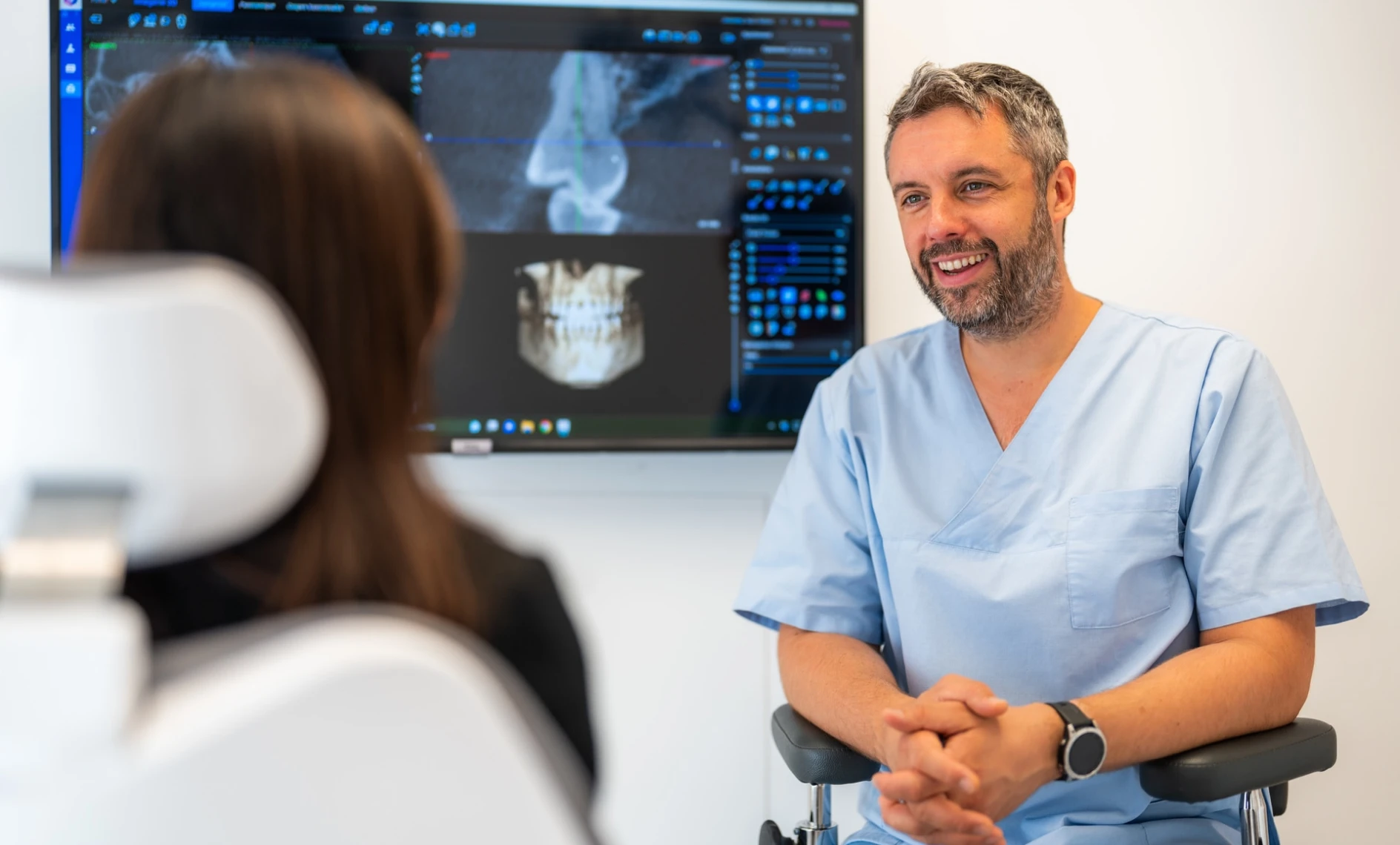
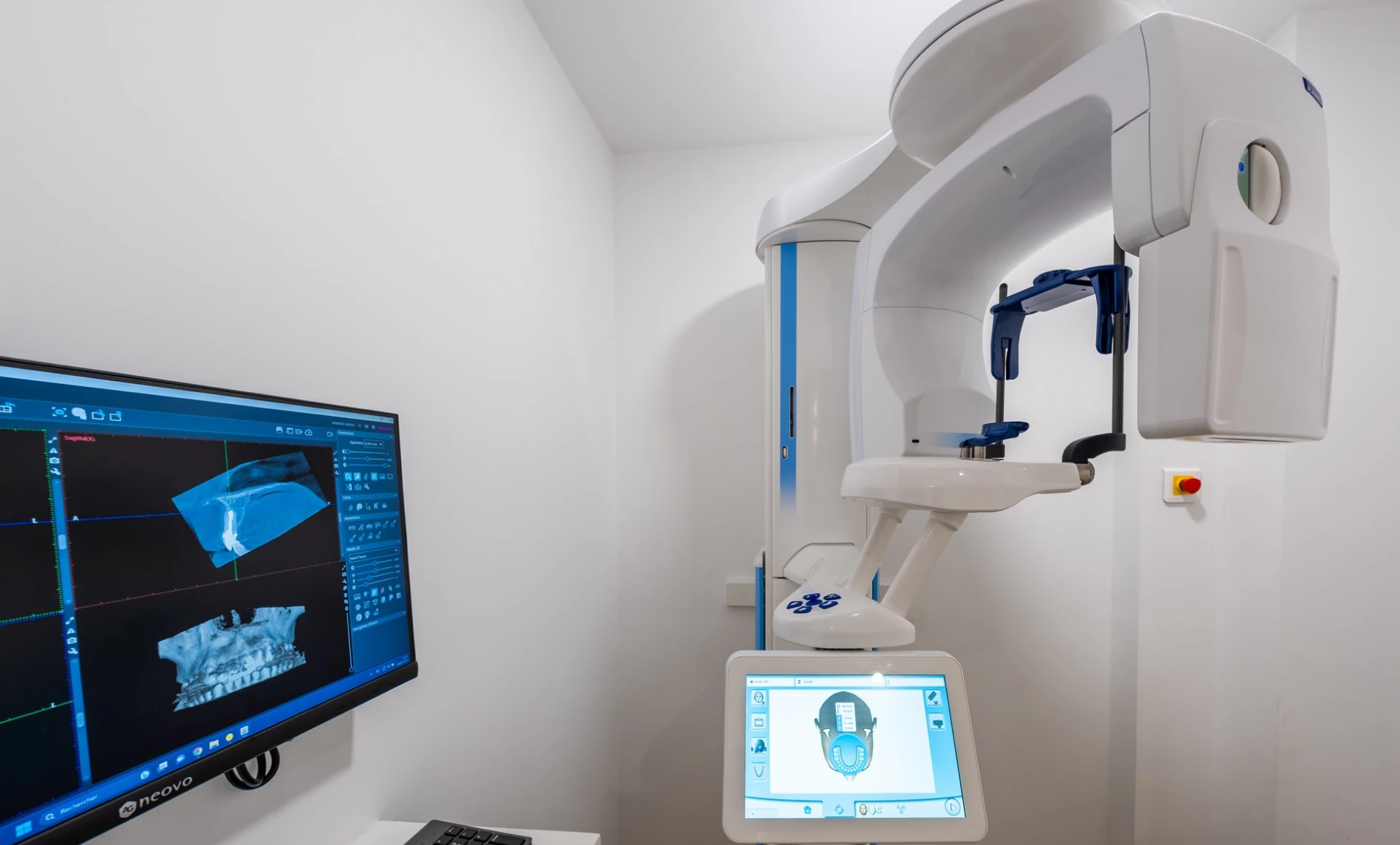
Consultation appointment with a comprehensive evaluation (X-ray(s), 3D scan (CBCT)—often required—tests, and a clinical interview). This appointment allows us to determine whether treatment is necessary and what type of treatment is appropriate. In some cases, if we have all the radiographic and diagnostic information provided by the referring practitioner, we can perform the treatment immediately.
Patient care pathway
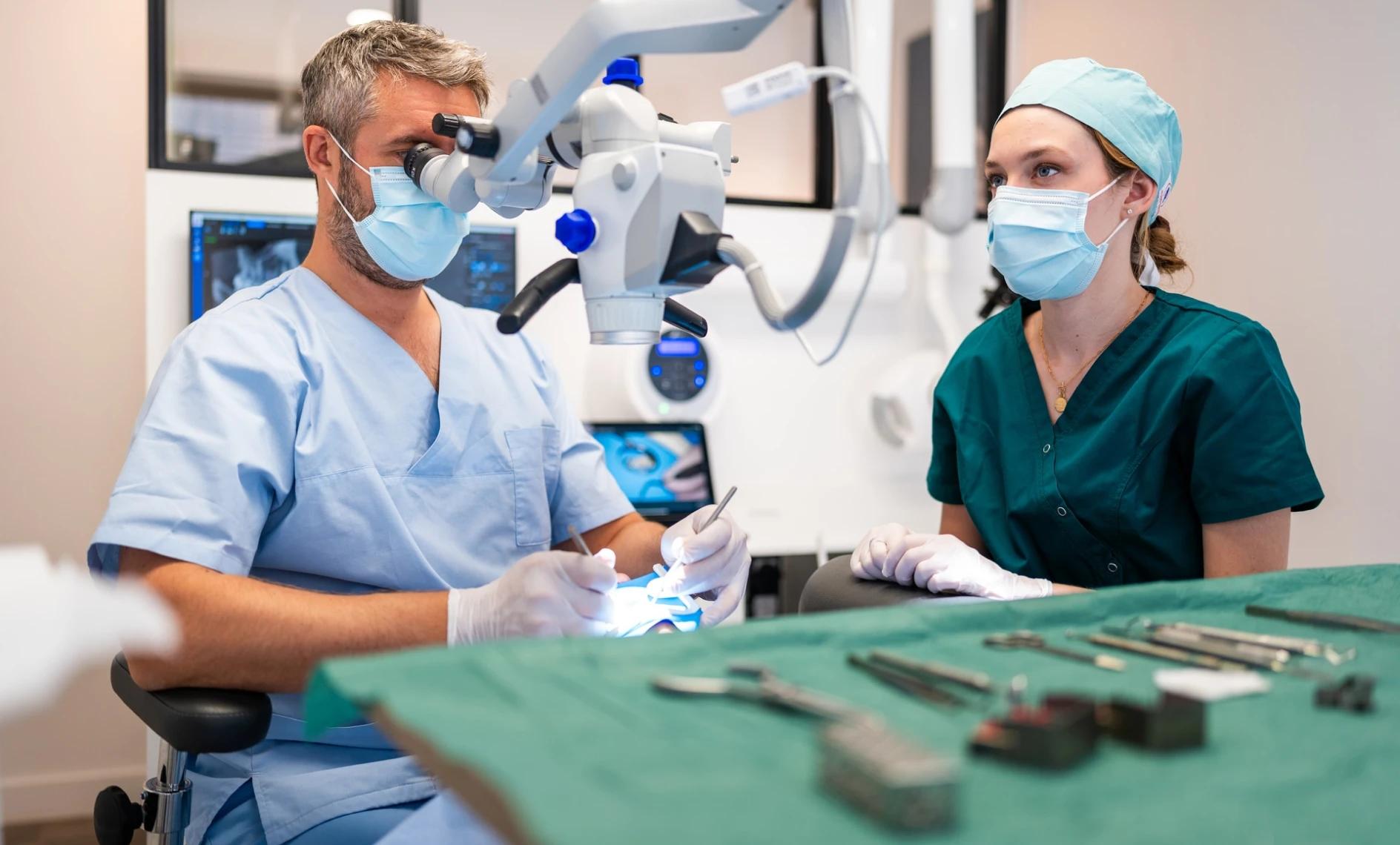
Treatment appointments are generally completed in a single session, but may be spread over several sessions if the clinical situation requires it
Patient care pathway
X-ray follow-up, generally between 6 months and one year, when necessary